Herbal Product Formats Explained: Capsules, Powders, Teas, Creams And Oils
Every product format has its strengths and limits. A guide to choosing the right one for your herbal brand.
By Admin Sari Tani
Capsules
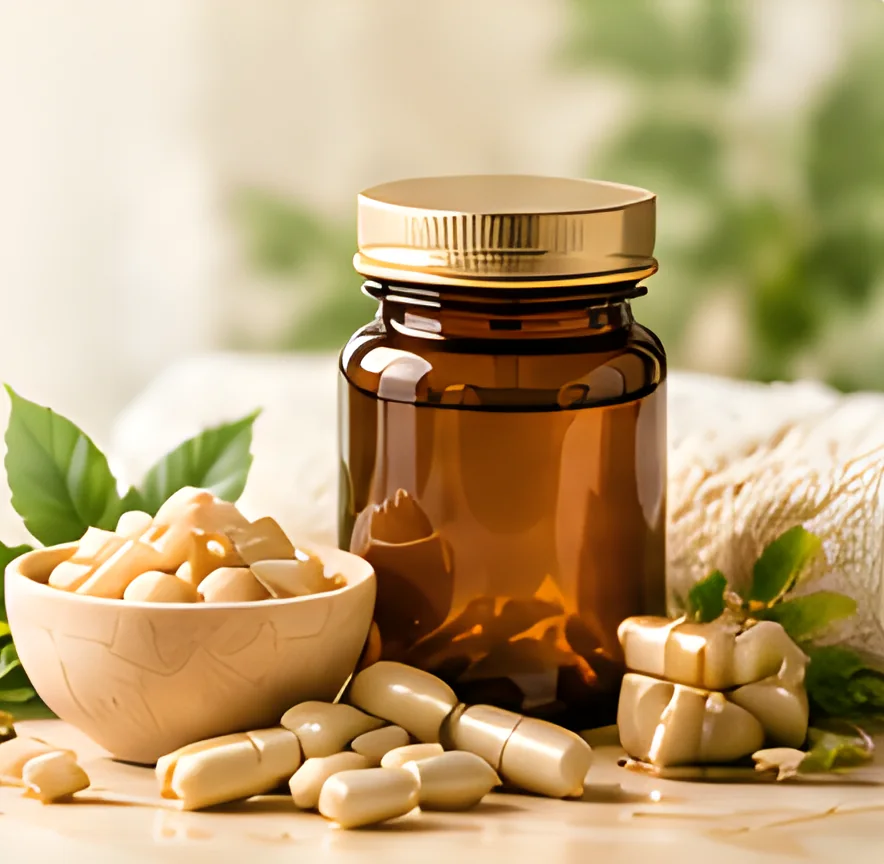
Capsules give a uniform dose, are easy to carry and hide the bitter taste of herbs. They suit supplements and oral traditional products, and can be packed in bottles or blister packs.
Powders
Powders are flexible — they can be mixed into drinks or food. They are packed in sachets, jars or pouches. Taste and texture matter because consumers experience them directly.
Tea bags
Herbal tea bags offer a familiar drinking experience and suit herbs traditionally drunk as tea, such as misai kucing.
Liquids
Oral liquids are bottled and need special attention to stability and shelf life. External liquids are packed in tubes, jars or bottles.
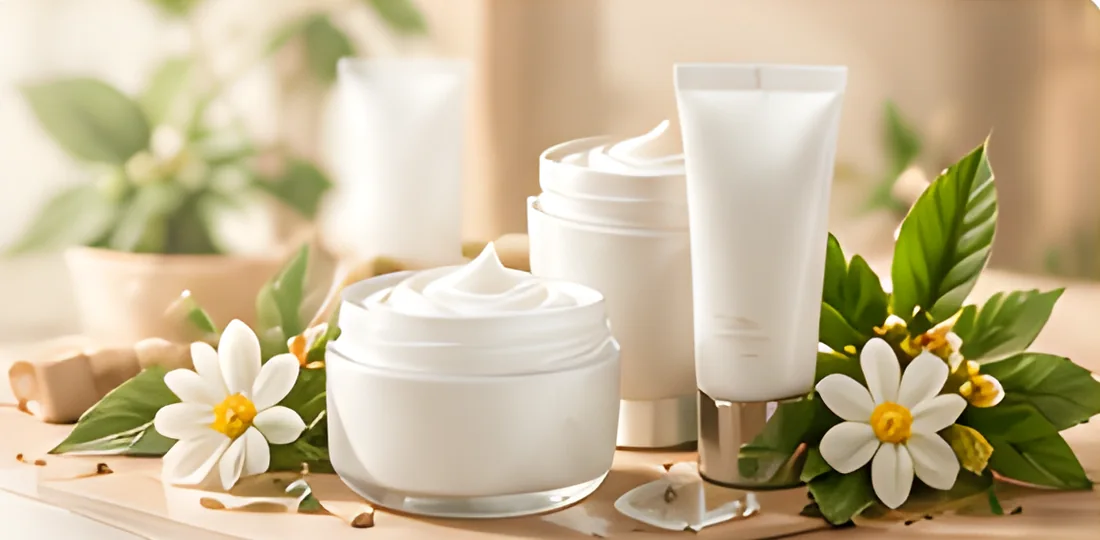
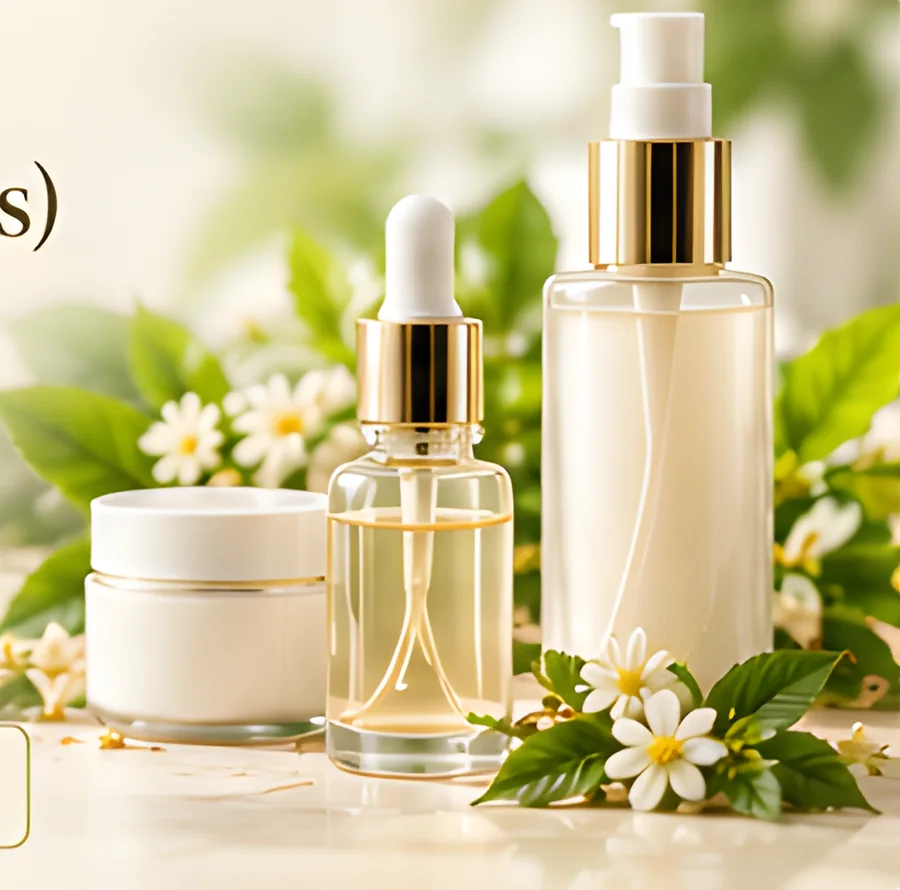
Creams, ointments and lotions
For external use, creams and lotions are lighter while ointments are thicker and last longer on the skin. Their category — cosmetic, traditional or OTC — depends on the product's claims.
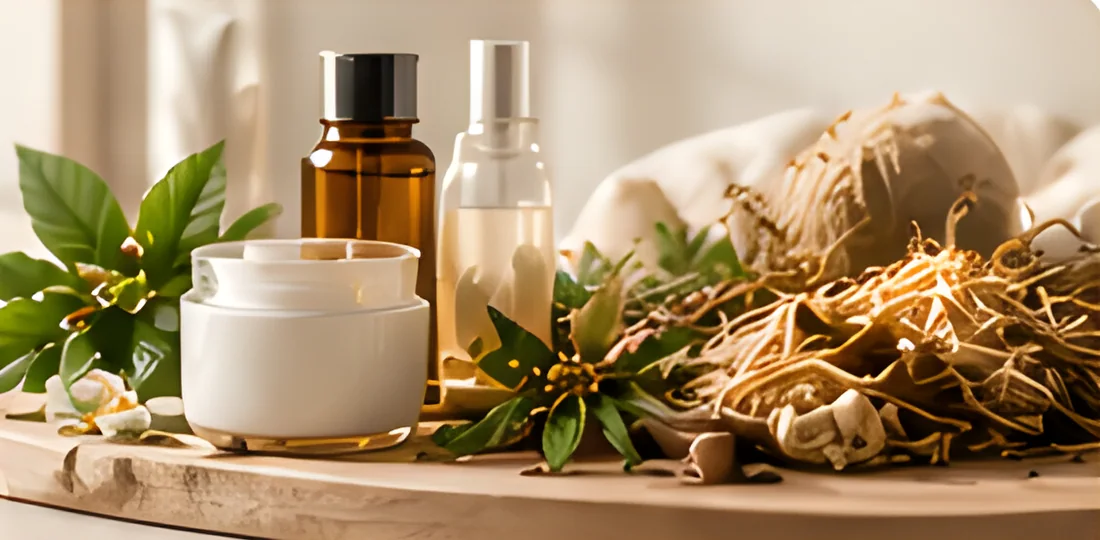
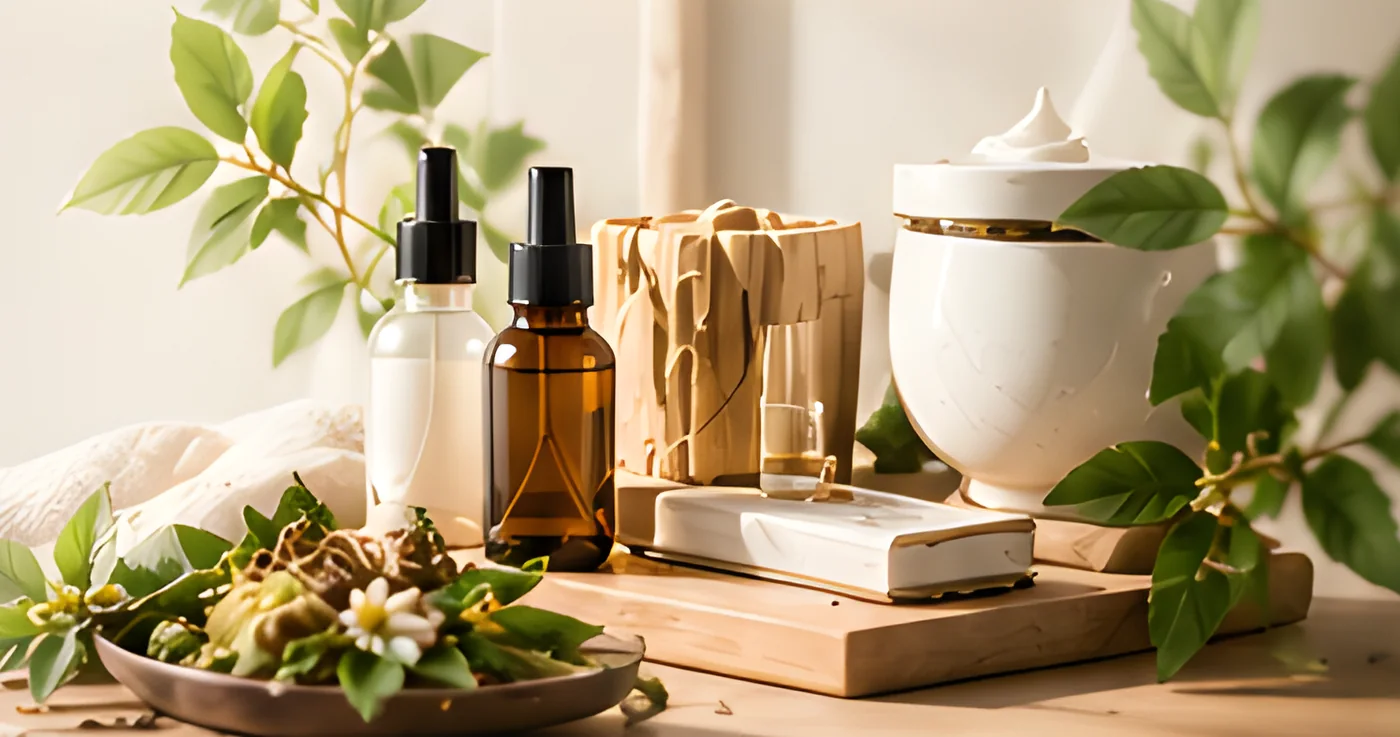
Oils, balms and roll-ons
Massage oils, balms and roll-ons are traditional formats Malaysian consumers know well, and easy to turn into everyday products.
How to choose?
- Who is the target user and how do they want to use it?
- Do the herb's properties suit the format?
- Which registration route applies?
- What packaging cost and shelf life are needed?
We manufacture all of the formats above — see our product categories or discuss your formulation.
Information on this site is general knowledge and not a substitute for professional medical or regulatory advice. Refer to the relevant agencies for current requirements.